
Simple ways to become your healthiest self in 2025
Investing in yourself to become the healthiest version of you is one of the best gifts you can give yourself! But here’s the thing: becoming the best version of you isn’t a one-step process. It’s a journey of small steps and finding out what works best for you.
The good news? There are many simple and easy things you can do every day that will bring you closer to your healthiest self.
In this article, we’re diving into some easy steps you can sneak into your routine that will help you feel your best!
Here’s 5 easy steps you can take toward becoming your best self:
- Using products with clean ingredients
- Eating mostly whole foods
- Incorporating movement into your day
- Prioritizing rest
- Practicing mindfulness and gratitude
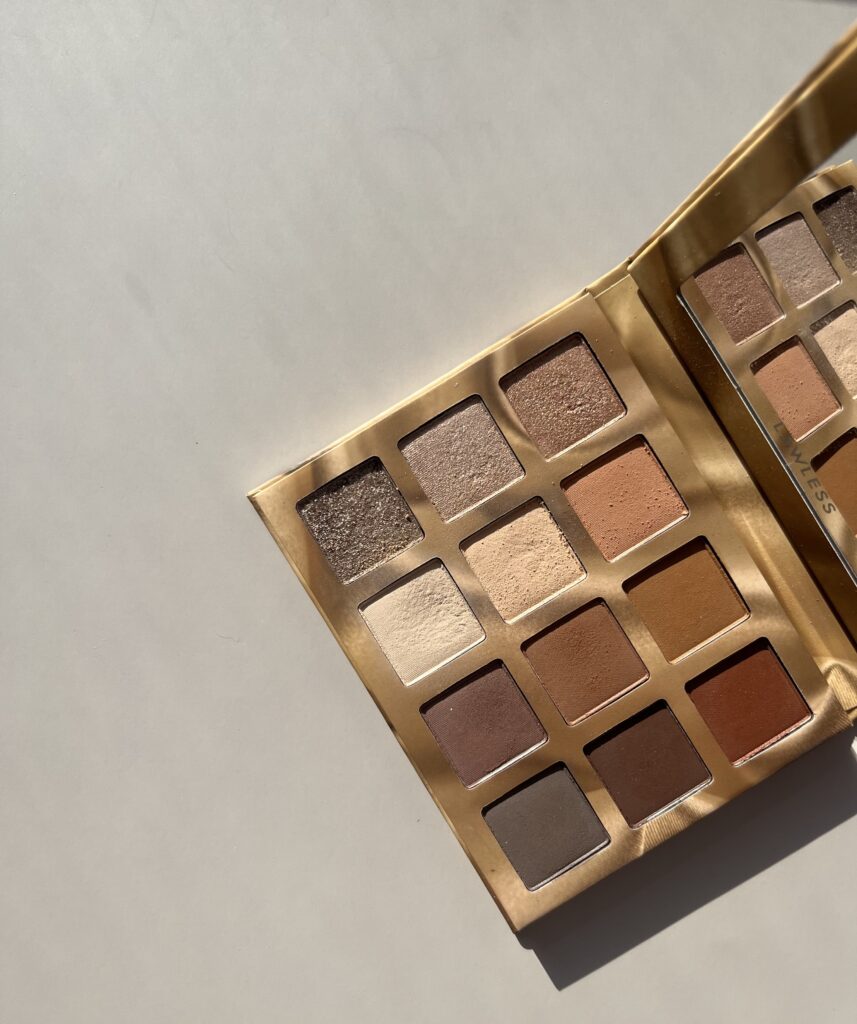
Clean beauty products
Clean beauty has been a buzzword recently, but what does it really mean?
If you take a closer look at the labels of your skincare, makeup, haircare, and body products, you might be shocked to find that many commonly used ingredients could affect your health.
We’re talking about things like endocrine disruptors (that mess with your hormones), fragrances (that can hide up to 3,500 chemicals), and even carcinogenic ingredients (yes, they could increase cancer risk)!
So, if you can avoid these ingredients, why wouldn’t you? After all, you’re using multiple products every day, sometimes several times a day, which means your exposure – and risk – adds up.
Here’s the catch with clean beauty: there isn’t just one definition, which makes it confusing. Some products claim to be ‘clean’, but the ingredients sometimes tell a different story. Plus, it doesn’t help when people think that all natural ingredients are good and all synthetic ingredients are bad – spoiler alert: that’s not true!
But don’t worry, b.clean is here to help! We love using the Yuka app and EWG’s Skin Deep Database to check out products, learn about their ingredients, and share them with you.
This way, your wellness journey can be easier and less confusing.
Eating whole foods
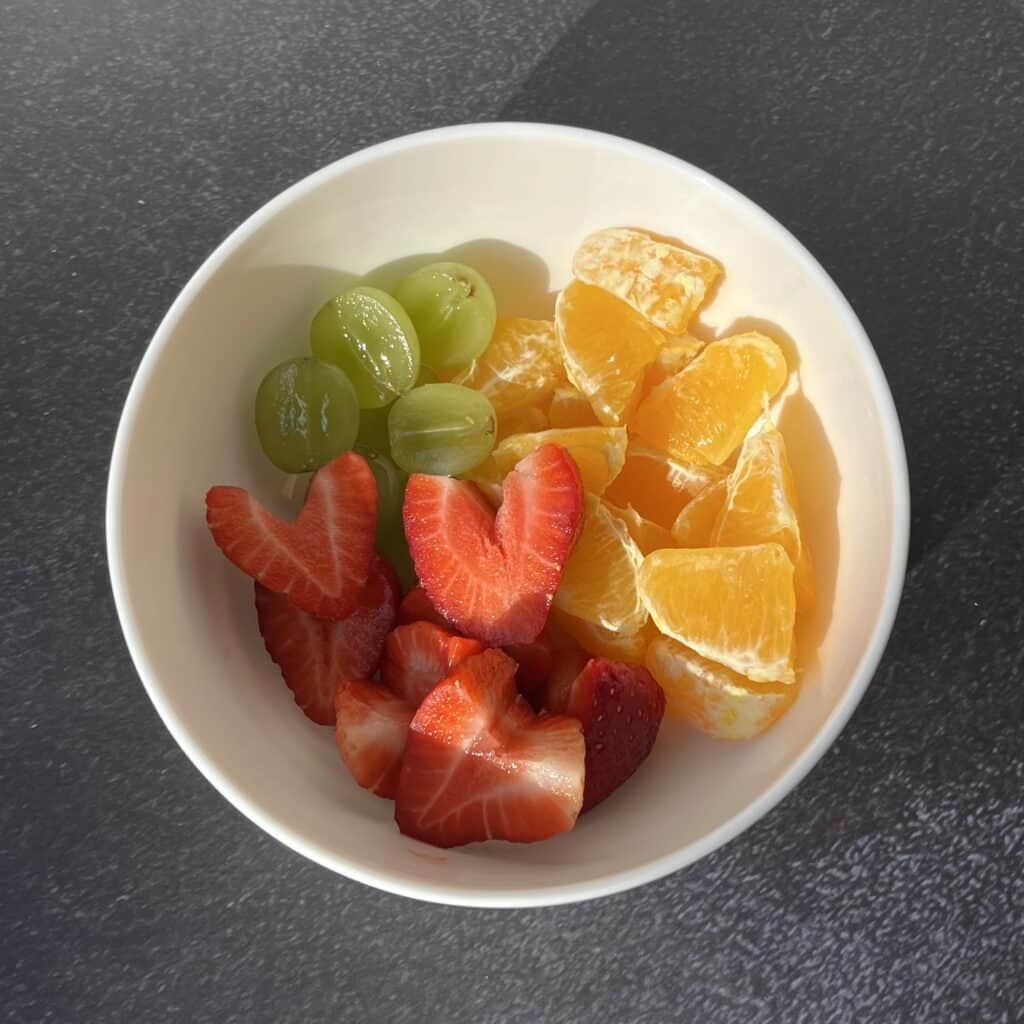
Just like the ingredients in the products we use, the ingredients in our food play a huge role in our health. You’ve probably heard it a million times – having a healthy diet and eating well is important. But why? Well, eating whole foods comes with a ton of benefits! They’re packed with nutrients, vitamins, minerals, and antioxidants that are very beneficial for your body.
Eating nutrient-dense foods reduces inflammation, lowers blood sugar levels, reduces triglycerides (which can lead to heart and vascular disease), supports gut function, and reduces the risk of diseases like type 2 diabetes, heart disease, liver disease, kidney disease, and even obstructive sleep apnea.
You’ve probably heard that ultra-processed foods should be avoided. But what’s the difference between unprocessed foods, processed foods, and ultra-processed foods? Let’s break it down:
- Unprocessed and minimally processed foods (aka whole foods) are the stars of the show! Think fruits, veggies, meat, eggs, whole grains, and legumes.
- Processed foods are foods with added ingredients and that come in packages. Think bread, cheese, canned beans, and canned tuna.
- Ultra-processed foods are the foods you should try to avoid. These foods are packed with added ingredients and often have little nutritional value. Think sodas, chips, ice cream, hot dogs, and fries.
A simple way to incorporate more whole foods into your day is to add fresh fruits and veggies to every meal. Setting realistic goals like tossing some spinach into your breakfast eggs or smoothie, adding chopped veggies to your lunch, and finishing with a fruit salad for dessert after dinner are great first steps!
Once you start adding more whole foods to your meals, don’t be surprised if you notice improvements in your skin, gut health, and sugar cravings. Your body will thank you!
Movement
When most people think of movement, they imagine extreme workouts – spending hours at the gym, running endless miles, or joining a sports team. While those are all great ways to move, the good news is that staying active can be much easier and simpler and still have a huge impact on your health.
So, why should we worry about adding more movement to our daily routine? Well, there are so many benefits! Regular physical activity helps with weight control, lowers triglycerides, reduces the risk of cardiovascular disease, boosts your HDL cholesterol (the “good” kind), helps maintain steady blood sugar levels, and improves cognitive function, mental health, energy levels, and sleep. Sounds pretty good, right?
I get it. You’re busy, your schedule is packed, and you’re already tired just thinking about it. How can you possibly squeeze more movement into your day? It doesn’t have to be complicated!
Some of the best ways to incorporate movement are parking a little further from the store entrance, taking the stairs instead of the elevator, using a standing desk, walking around when you’re on phone calls, or even getting a walking pad to use while you’re watching TV or working.
Adding little changes like these into your daily life can really add up over time, help you move throughout the day, and benefit your overall health!
Rest and sleep
Rest and sleep are super important for your health. Rest helps with mental health, creativity, productivity, well-being, decision-making, and stress reduction (and reducing stress helps your immune system, too, since stress can weaken it).
Just like not getting enough nutrients or movement, lack of sleep can increase your risk of health problems such as heart disease, stroke, obesity, and even dementia. Plus, when you’re well-rested, your body is better at regulating blood sugar.
So, it’s pretty important to get good sleep, huh?
Here are 5 simple things you can do to help get better sleep:
It’s not just about sleeping – it’s about getting on a schedule. Going to sleep and waking up at the same time every day helps your body sync with its natural rhythms. The more consistent you are, the easier it becomes for your body to adjust and get into a healthy routine.
2. Create a Calm and Peaceful Environment
30 to 60 minutes before bed, try putting down your phone and any other screens. Instead, choose soft, dim lighting, as this signals for melatonin production in your body and makes it easier to fall asleep.
A cool room (60-65°F) is also ideal for most people (this may vary for older adults), as our body’s temperature drops at night, and a room that is too hot (or too cold) can affect your temperature and disrupt your sleep cycle.
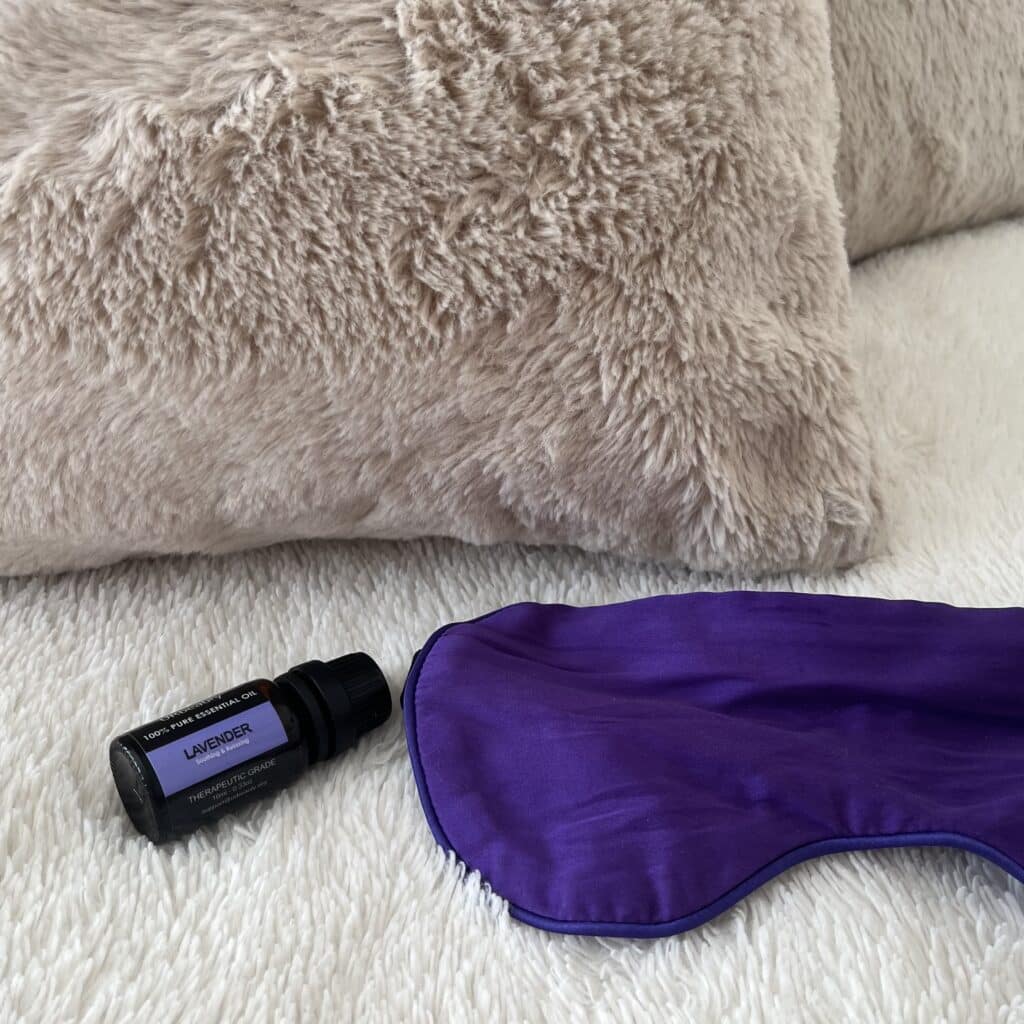
You can also do things that help you relax before bed. A warm bath, some aromatherapy, or practicing mindfulness can help you unwind.
We all love that caffeine boost, but it could be messing with your sleep.
Caffeine actually blocks adenosine receptors. Adenosine is a chemical that our bodies make when we are awake, helping us feel tired and want to sleep. Throughout the day, our levels of adenosine increase, which is why we generally feel more tired in the evening than in the morning. However, caffeine blocks these receptors, preventing adenosine from binding, leaving you feeling more awake.
The general rule is to stop drinking caffeine at least 8 hours before bed so you can have a restful night’s sleep!
4. Get Active
Exercise isn’t just great to keep your body healthy – it’s a great tool for improving your sleep too! Physical activity reduces stress and anxiety, helps you feel more tired, and, if you exercise outside, the natural light helps with your body’s natural sleep rhythms. Again, you don’t need to run a marathon – a gentle walk outside can work wonders!
Stress can be a major contributing factor to a bad night’s sleep. If you’re lying in bed with your mind racing, it’s hard to relax and fall asleep.
To help manage your stress, try making a list of what’s on your mind, staying organized throughout the day, or even giving meditation a try. Finding ways that help you relax and clear your head can make the world of difference when it comes to sleep.
Mindfulness and gratitude
Taking care of your mental health and emotional well-being is just as important as caring for your physical health, but it is often overlooked. Mindfulness and gratitude are two simple things that you can add to your routine to boost your overall well-being.
The idea behind mindfulness is to live in the present moment. It’s so easy to get caught up thinking about everything at once. But mindfulness practices encourage you to slow down and just be in the moment. This can help reduce stress, ease anxiety and depression, improve sleep quality, lower blood pressure, and even support your immune system. Pretty good, right?
You might be thinking, “I don’t have time for this!” But here’s the good news: mindfulness doesn’t have to take much time. It’s about noticing what’s going on right now – feeling your feet on the ground, noticing your deep breathing, or hearing the sounds around you.
Want to give it a try? Take a walk outside without going on your phone or listening to music. Listen to the birds singing, feel the wind against your face, and enjoy the simple things.
Gratitude is another great way to care for your mind. The idea behind gratitude is that when you start looking for things to be thankful for, you’ll notice them more often. It helps you focus on what you have, rather than what you don’t and makes you feel more content with what you have.
It might take a little time to get the hang of it, but it will be rewarding when you do. Start small – find one thing you’re grateful for each day. You can think about it or write it down in a journal or notebook. You can also write a note to yourself and put it somewhere you’ll see it every day, this can help to remind you to stop and take a moment to practice gratitude.
Don’t forget to express gratitude to others! If someone does something kind for you, a simple “thank you” can go a long way.

Taking steps toward becoming the healthiest version of yourself is a journey with many paths. It’s not just a trend that will disappear; it’s about setting yourself up to be the best you can be in the long run, making realistic health goals that will result in sustainable habits.
While some days it might feel like a lot, don’t worry – making small lifestyle changes will add up over time and lead to bigger, healthier habits that you’ll be so glad you made in the years to come.
So, what changes are you feeling inspired to make? Let’s take it one step at a time!